Insider Secrets for Choosing Sustainable Baby Products
As environmental awareness continues to grow, more parents are seeking sustainable options for their little ones in 2026. The market for baby products is flooded with choices, but discerning which items are truly eco-friendly can be challenging. This article provides insider secrets to help parents make informed decisions about sustainable baby products that are safe for their children and the planet.
Understanding Sustainable Baby Products
Sustainable baby products are designed to minimize environmental impact while ensuring safety and health for infants. These products often use organic materials, are free from harmful chemicals, and are produced using ethical labor practices. In 2026, the focus on sustainability in baby products has intensified, with brands increasingly prioritizing eco-friendly materials and production processes.
One key aspect to consider is the lifecycle of the product. Sustainable baby items should be durable and long-lasting, reducing the need for frequent replacements. Furthermore, many brands are now offering products that can be recycled or composted at the end of their life, which is crucial for reducing waste.
Materials Matter
When selecting sustainable baby products, the materials used play a significant role. Look for items made from organic cotton, bamboo, or recycled materials. In 2026, numerous brands have emerged that specialize in organic baby clothing, bedding, and toys. For example, organic cotton is grown without harmful pesticides and is softer on a baby’s sensitive skin.
- Organic cotton clothing
- Bamboo toys and utensils
- Recycled plastic baby bottles
- Natural rubber pacifiers
Parents should also be aware of certifications that indicate sustainability. The Global Organic Textile Standard (GOTS) is a prominent certification for organic textiles, while the Forest Stewardship Council (FSC) certifies wood products sourced sustainably. In 2026, many brands proudly display these certifications on their packaging, making it easier for parents to identify eco-friendly options.
Evaluating Brand Ethics and Practices
Choosing sustainable baby products goes beyond materials; it also involves evaluating the ethical practices of the brands. Researching a brand's manufacturing process can reveal a lot about their commitment to sustainability. Many companies in 2026 are transparent about their sourcing and production methods, sharing information about labor practices and environmental impact on their websites.
People Also Look For:
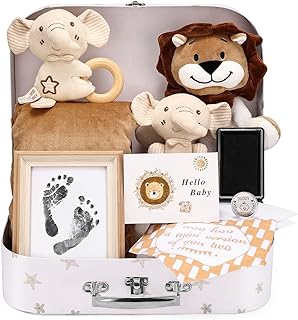
- Baby Handprint Footprint Makers Kit Keepsake Photo Framed Pictures for Newborn Boys & Girls, Baby Gifts, Personalized Baby Milesto...
- Newborn 7 Piece Luxury Boxed Baby Gift Set (0-3 Months) with Bundle Bear \\\"Welcome Baby\\\" Card, Baby Showers Gift & Newborn Ba...
- LAMAZE Gardenbug Wrist Baby Rattle Toy Baby Gift Set, Cute Foot Finder Baby Toy with Sensory Stimulation, Suitable for Boys & Girl...
- Baby Box Shop Personalised Baby Girl Gifts - 7 Unique Baby Girl Gifts, Baby Girl Hamper - Personalised Baby Gift Set with Baby Hoo...
- SHENLONG New Parent Decision Coin,Engraved Stainless Steel Interesting Flip Coin for Decision Making,Novelty Gift for New Mum Dad,...
For instance, brands that prioritize fair labor practices ensure that workers are paid fairly and work in safe conditions. By choosing such brands, parents contribute to a more ethical and sustainable economy. It is essential to look for brands that engage in sustainable practices such as reducing carbon footprints and minimizing waste during production.
Product Longevity and Versatility
Another insider secret is to consider the longevity and versatility of baby products. In 2026, many parents are opting for multi-functional items that can adapt as their child grows. For example, convertible cribs can transition into toddler beds, allowing families to use them for several years instead of needing to purchase new furniture as the child grows.
Additionally, selecting products that can serve multiple purposes helps reduce waste. A diaper bag that doubles as a backpack or a stroller that can transform into a car seat can save parents both money and storage space. These versatile products not only support sustainability but also offer practicality in daily life.
Research and Reviews
As parents dive into the world of sustainable baby products, research and reviews become invaluable tools. In 2026, online platforms and social media have made it easier than ever to access reviews from other parents. Websites dedicated to eco-friendly products often feature detailed reviews and comparisons, allowing parents to make informed choices.
Joining parenting forums or social media groups focused on sustainable living can provide insights into which products have worked well for others. Personal experiences shared by fellow parents can guide decisions on everything from eco-friendly diapers to organic baby food options. Furthermore, many brands encourage customer feedback, leading to improved products and practices.
Budgeting for Sustainability
Budgeting is a crucial factor when choosing sustainable baby products. While some eco-friendly items may have a higher initial cost, they often prove to be more economical in the long run due to their durability and multi-functionality. In 2026, many sustainable brands are offering affordable options that do not compromise on quality or ethics.
- Consider second-hand options for gently used products
- Look for sales and discounts from sustainable brands
- Invest in high-quality items that last longer
- Utilize community resources for sharing baby products
By strategically budgeting, parents can prioritize sustainable choices without breaking the bank. Investing in quality products that align with eco-conscious values enhances the overall well-being of the family and the environment.
Staying Informed About New Developments
The landscape of sustainable baby products is continuously evolving. In 2026, parents can stay updated on the latest trends and innovations by subscribing to eco-friendly parenting blogs, attending workshops, or following industry leaders on social media. Being proactive in learning about new products and practices empowers parents to make informed decisions that benefit their children and the planet.
Furthermore, many brands are now launching new products that incorporate the latest sustainable technologies. For example, biodegradable diapers and compostable baby wipes are gaining popularity, providing parents with more options to reduce waste. Keeping abreast of these developments allows parents to adapt their choices as new products become available.
Building a Sustainable Community
Finally, building a community around sustainable parenting can enhance the experience of choosing eco-friendly baby products. In 2026, many parents are connecting with like-minded individuals through local parenting groups and eco-conscious organizations. Sharing tips, resources, and experiences fosters a supportive environment where families can thrive together.
Participating in community events focused on sustainability can lead to valuable connections and ideas. Organizing swaps for baby clothes and gear, or participating in eco-friendly workshops, helps families reduce waste while supporting each other in their sustainable journeys. This collaborative approach strengthens community ties while promoting a greener future for children.
As parents navigate the world of sustainable baby products in 2026, these insider secrets serve as a roadmap for making purposeful choices. By focusing on materials, brand ethics, product versatility, research, budgeting, staying informed, and community involvement, families can confidently select products that prioritize the health and welfare of their children and the environment.